That sneaky little sucker of wildlife photography and how we deal with it | Rachel Tobias
Recently, I’ve been thinking a lot about disappointment in wildlife photography, a feeling we are, of course, intimately acquainted with.
We recently wrapped up a trip to Paraguay, an effort to photograph a jaguarundi for our Chasing Cats project. The trip was very disappointing. We were met with unseasonable and unfavorable weather, and did not see the cat. Frustrating, to say the least. Our time was short, our deadline looming, and any feeling of wasted time stings a little bit extra right now. But, it got me thinking about this feeling, so common to this craft. Integral, even.
The Arctic trip that went sideways
I’m going to tell you another story about disappointment, though fair warning: it is not about cats. But stick with me.
Those of you who know me know that I love whales. There was a place I’d heard about: a remote Arctic lodge where, every summer, thousands of belugas gather to nurse their young and shed their skin in the shallows just offshore. It was possible to watch this gregarious species at close range right from the beach, from a kayak, from the air. Hundreds of long, white backs like sprinkles dotting the frosty turquoise water. It’s the kind of place I’d dreamt of for years; literally, my white whale.
This was to be the lodge’s final season in operation, my last chance. So when a cancellation spot opened up during peak beluga season, I swallowed my anxiety about the financial and logistical hurdles and committed. Soon, I was en route to Somerset Island, with visions of beluga babes dancing in my head.
But on touchdown, the plot twisted.
The belugas had left the inlet weeks early, only a day or two before I arrived. A shift in the weather blew blocks of thick ice into the bay, creating a blockade for the whales, who opted to migrate early without the bay’s safe refuge. Instead of sunny skies and a northern sea teeming with life, I was greeted by a cold, snowy, quiet Arctic.
The first several days of the trip felt exasperatingly heavy.
I felt sick at the money I’d spent, the precious time lost, resigned to the failure of the trip. Most of the others who’d joined this adventure felt similarly. Most attempted to politely cling to weak platitudes when in each other’s company: “That’s nature!” “It is what it is!” “It just wasn’t meant to be!” But none of it made up for a shattered dream: the whales were gone, and they weren’t coming back.
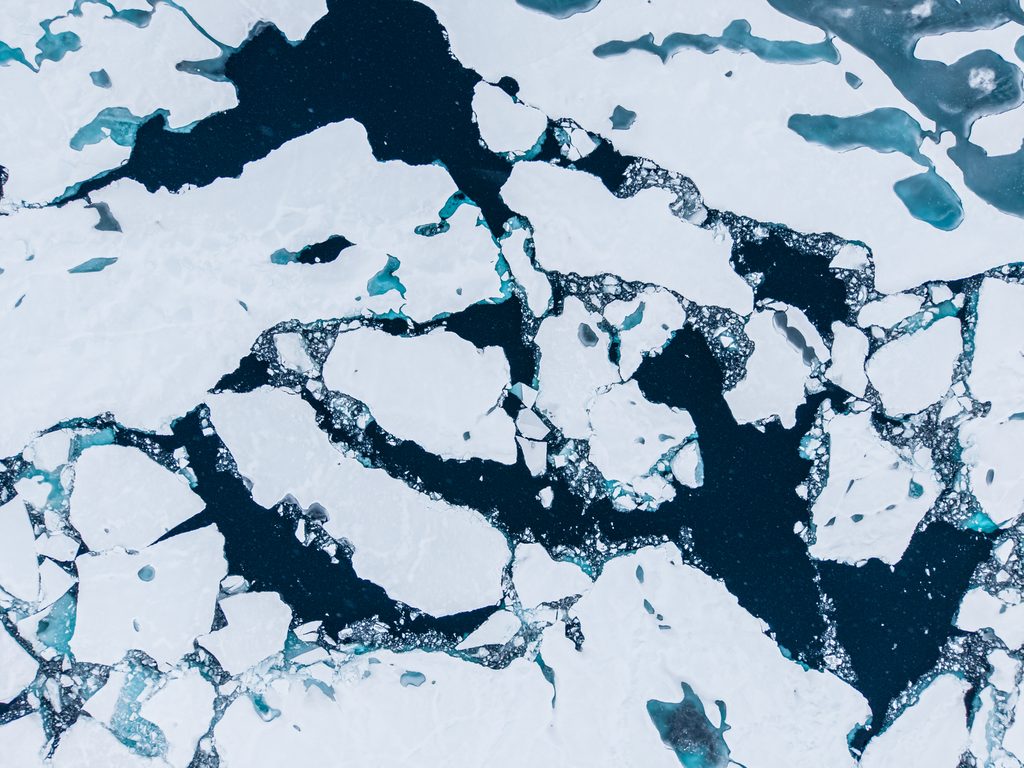
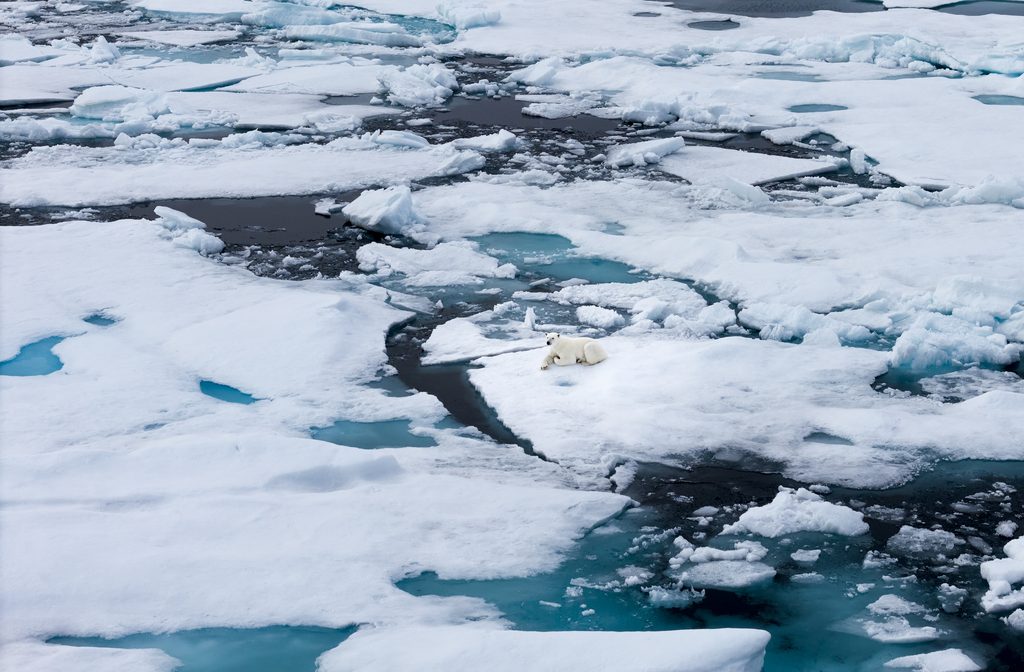
In a last ditch attempt, I booked a helicopter flight, which gave me one last shot at finding whales offshore. Almost everyone else in camp had spotted belugas, bowheads, even narwhals from the air on their helicopter flight that week. But 15 minutes into our ride, ice started forming on the windshield. We tried waiting out the weather on the ground, but eventually had to limp back to camp with a few sea ice shots and lost hope.
Truly, I was gutted. Not just a little disappointed. Full-blown, stomach-in-knots, pouty-child disappointment.
But worse, I was angry at myself for feeling so negative. I’m an expedition leader, after all; I know better. Wildlife is never guaranteed. I regularly coach our guests on how to embrace the unpredictability, to find beauty in the curveballs. I’m a textbook ‘helper’ archetype: I thrive on being helpful, making people feel good. So why couldn’t I give myself that same grace?
The remora that follows us everywhere
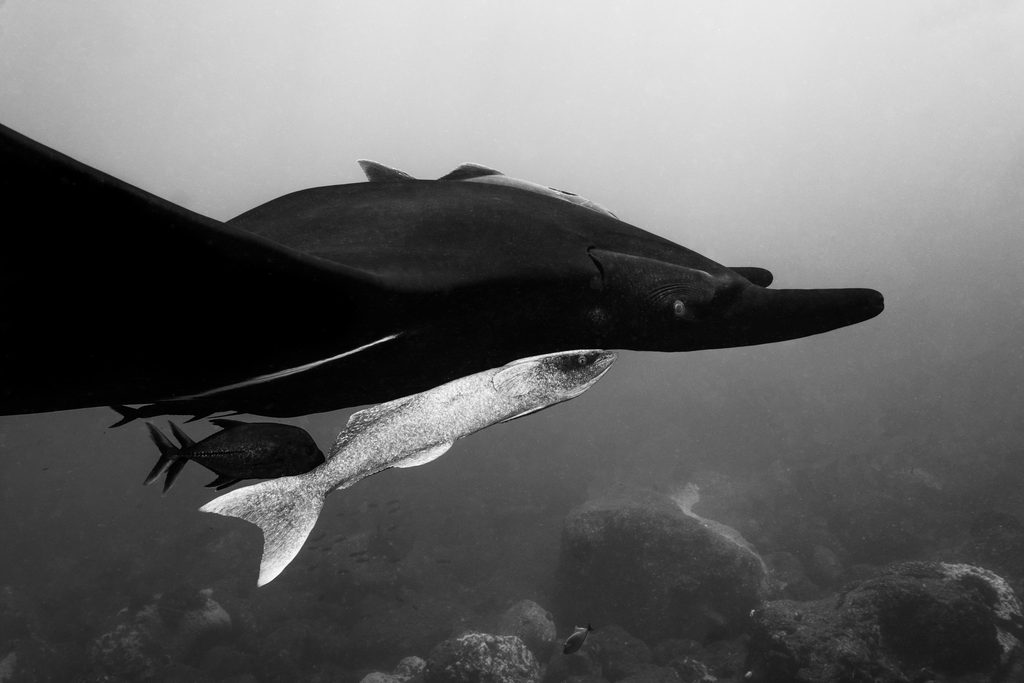
Disappointment, I’ve learned, after many years of photographing nature, is the remora of wildlife photography. (A remora, for my more terrestrial-inclined friends, is a hitchhiking suckerfish that clamps onto sharks, whales, and rays, snacking on scraps and the odd parasite. See photos below) Nearly every big ocean animal has one, just as each of us wildlife photographers carries our disappointment. It comes with the territory.
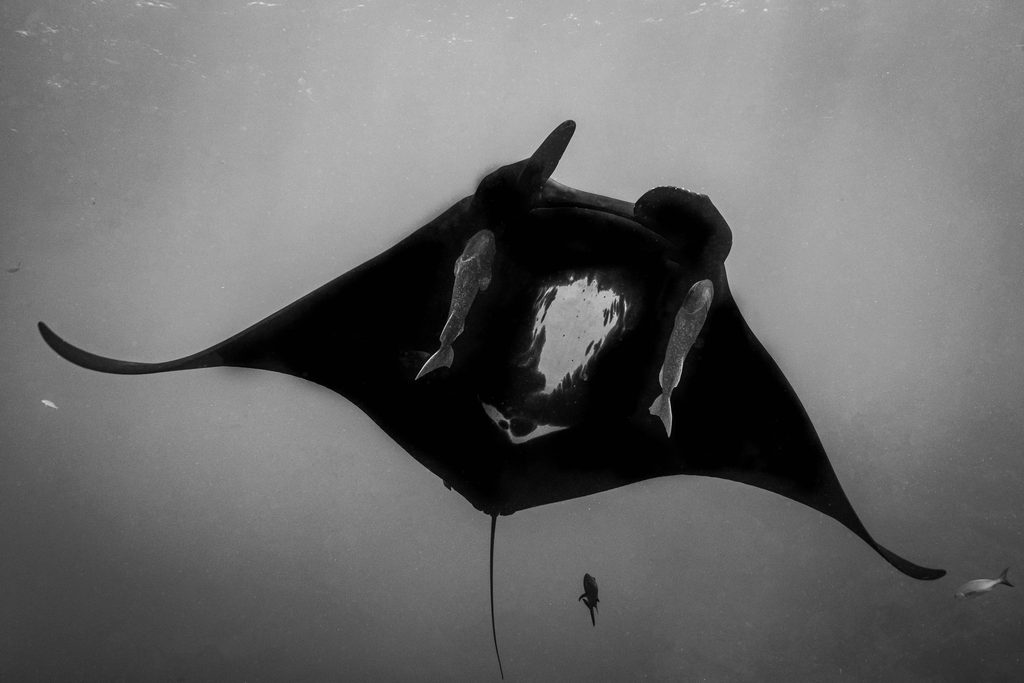
Because as we know, wildlife photography is always, always a gamble. Every trip hinges on an impossible tangle of variables: weather, light, animal behavior, the condition of your gear, your ability to use said gear under pressure, and a lot of luck. Sometimes it all clicks and you get that epic sighting, that perfect shot. But more often, something gets in the way: the fog rolls in, that lion turns the other way, you’re on the “wrong” side of the vehicle, or you just fumble the damn setting.
Experiencing disappointment constantly doesn’t make it hurt or haunt less. And that week in the beluga-less Arctic, I had let my disappointment remora get out of control.
Normally, a remora sticks to your belly, out of sight, and generally useful. Mine had migrated; it was stuck to my face, blinding.
Here I was, somewhere gloriously extreme and beautiful, and I was stewing. In dwelling on what I thought I’d lost, I almost missed everything I gained.
What I gained by managing my disappointment
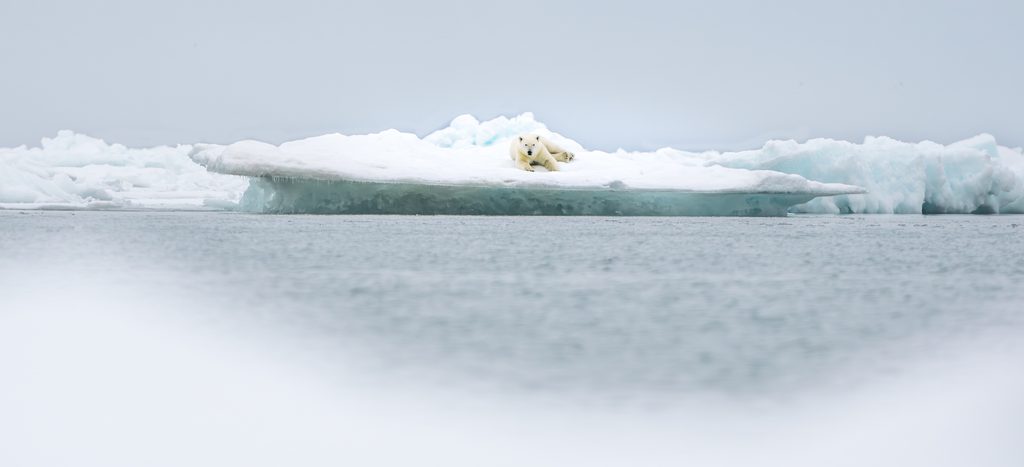
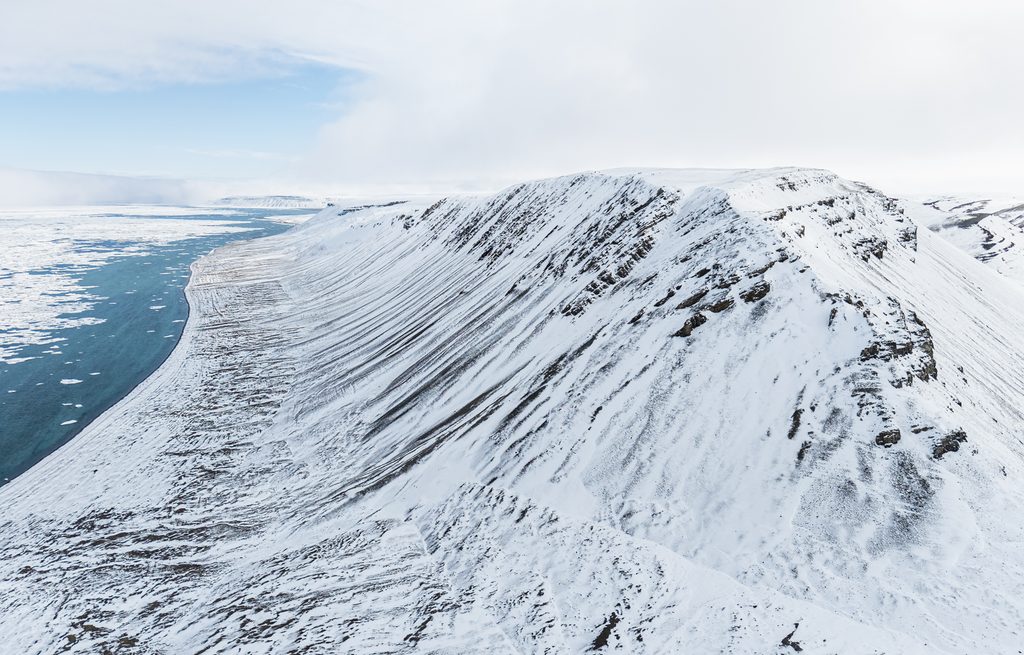
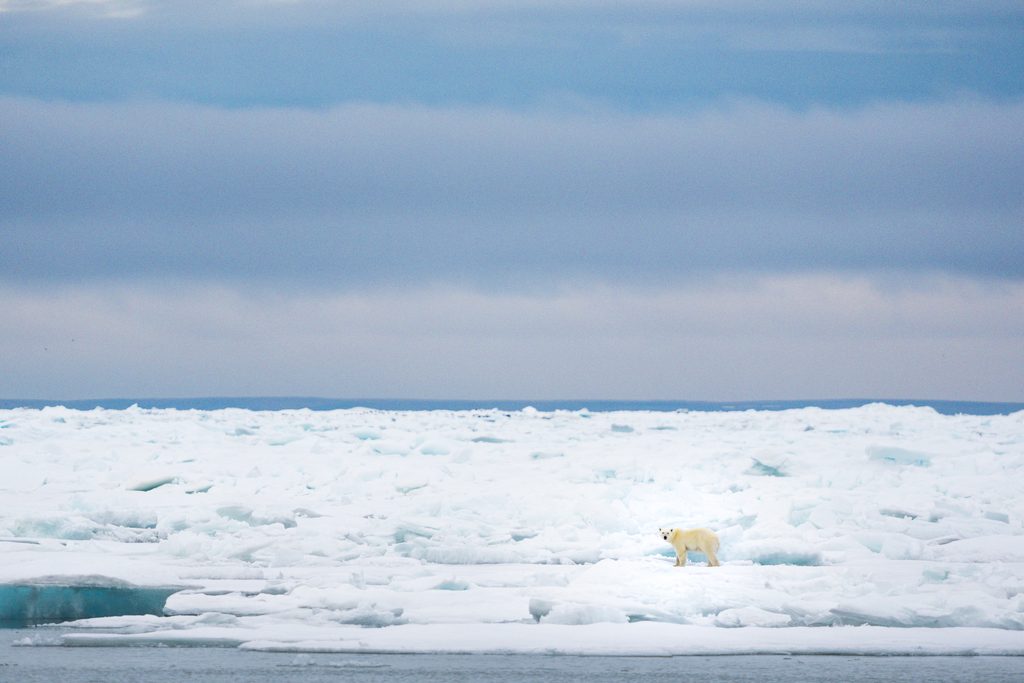
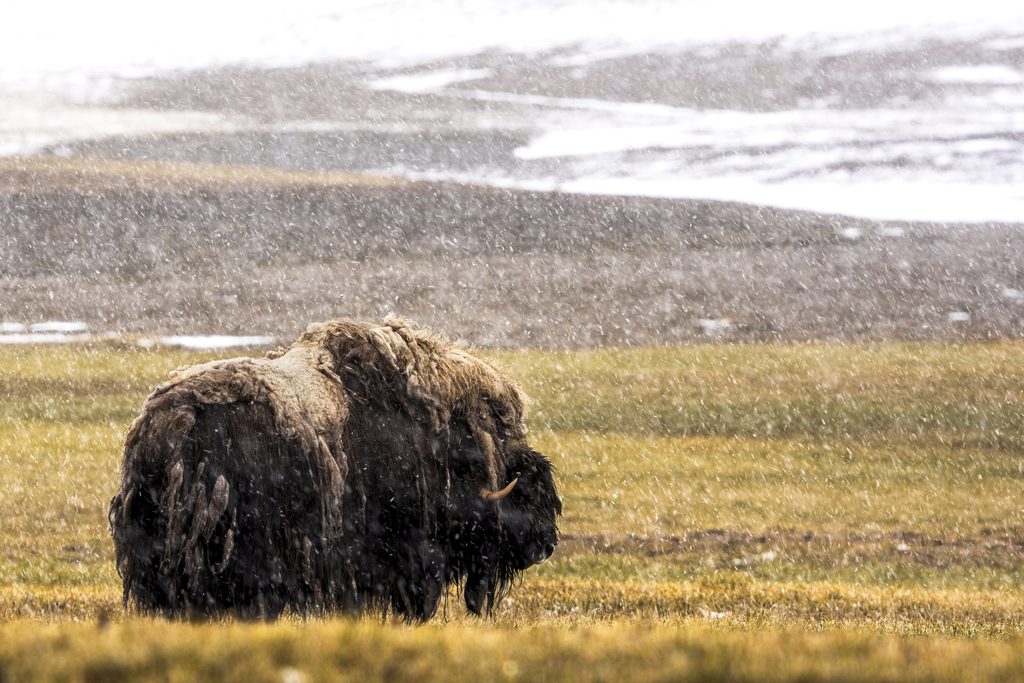
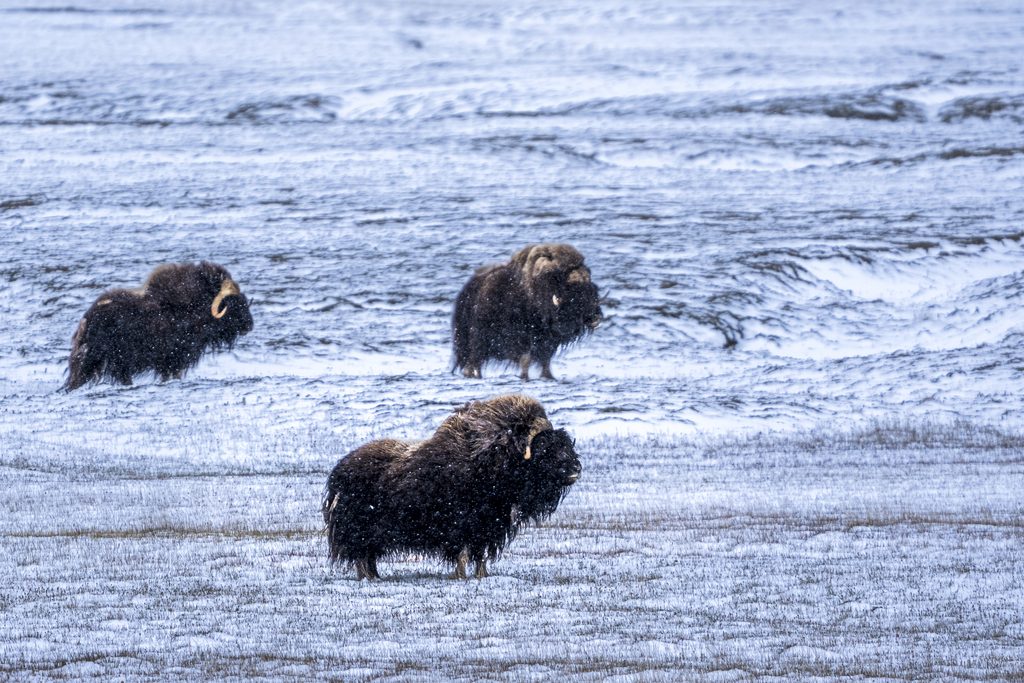
Somerset Island offered up an entirely different kind of experience, one I hadn’t expected, but which unfolded slowly, with quiet beauty and undeniable awe. I watched a polar bear (my first!) sleep and stretch from 150 yards away. I hiked 17 snowy kilometers after a heli drop onto a ridgeline, slurping hot mushroom soup as the Northwest Passage stretched out below us. I photographed a musk ox in falling snow, touched woolly mammoth fur and learned about glaciation. I dined on freshly-caught Arctic char sashimi and met delightful humans who reminded me that wonder doesn’t have to have flippers.
Here’s the thing. Disappointment isn’t a problem. Disappointment in wildlife photography isn’t a problem to solve. It’s proof that we care, that we’re invested in our craft.” Every miss makes us more resilient, more experienced, better-prepared photographers. There is no wildlife photography practice without it. We just have to learn how to keep it in check and use it to our advantage.
So I’m keeping my remora. I’m just moving it back to where it belongs: along for the ride, not blocking the view. It’s my reminder that life is rarely tidy, but always additive.
How to manage disappointment in wildlife photography
So, how do you get a remora off your face, you might ask? Here’s what has helped Sebastian and me when disappointment becomes blinding. Perhaps these will help you too:
1. Make space for the feels.
On a recent Cat Expeditions trip, a wise guest of ours was experiencing his own moment of frustration and disappointment. In my rush to ‘fix’ his pain and force the bright side on him, he pointed out to me that “sometimes you just need to be mad.” It was a real lightbulb moment. Not every negative emotion needs solving. Sometimes it just needs to be felt. It was true: once I stopped trying to override my own disappointment about the whales, the fog finally started to clear.
2. Reframe expectations.
There’s a difference between a hope and an expectation. I continue to practice holding the former gently and letting go of the latter. “I hope to take a photo I’m proud of today” is a lot more forgiving than “I need an epic drone shot of a beluga family in dark water surrounded by sea ice today.”
3. Set a new target.
We’ve found this can serve as an active distraction from disappointment. Though it may not replace the lost opportunity, focusing on a new goal can be a step to letting go and moving forward. Sebastian and I recently had a painfully disappointing experience with a leopard in Botswana, a once-in-a-lifetime shot of a leopard battling a rock monitor that we should have gotten but didn’t. Sebastian was bumming hard, but shifting to focusing on an inbound herd of impala and the chance of a hunt helped him move on.
4. Practice and verbalize gratitude.
Though it may sound cliché, I find gratitude to be exceptionally powerful for me. Venting feels good in the short term, but I feel much better reminiscing around the dinner table about the good stuff, rather than being steeped in negativity. (Remember, our energy is also contagious to the people around us.) Back in the Arctic, once I intentionally shifted my focus from what was missing to what was present, and verbally acknowledged it to others (which I find crucial), I realized how rich and rare the rest of the experience really was.
And no, I haven’t given up on the belugas. Or that jaguarundi. (Obviously.)
To our Cat Expeditions family, what do you find helpful when navigating disappointment out in the field?