For every tour we run (excluding scouting trips), we donate $1,000 to an organization or project working to protect the target species of that trip. Conservation is core to why we run Cat Expeditions at all. In 2025, we gave $12,000 to wild cat conservation organizations, and facilitated another $6,000 in private donations.
Before any tour launches, we take time to understand what work is already happening around that species. We talk to people in our network, dig into the research, and spend time on the ground. Only then do we decide where your donation goes.
Guests who joined us in 2025 helped support the following organizations:

Panthera works across some of the world’s most important wild cat landscapes, from jaguars in the Pantanal to clouded leopards in Borneo and pumas in Chile, combining habitat protection with long-term research and community-based coexistence efforts. Much of Sebastian’s assignment work over the years has been in partnership with Panthera, and we’ve spent significant time alongside their teams in the field—seeing firsthand how their locally rooted approach helps keep both wild cats and the people who share these landscapes safer and better supported.

The Nature Conservancy works across Canada and beyond to protect large, intact forests like the boreal—one of the world’s largest terrestrial carbon stores—by partnering with Indigenous communities, landowners, and local leaders. Their boreal forest work combines science, land protection, and sustainable management to safeguard habitat and climate-critical ecosystems for wildlife and people alike.

Local manul conservation: In Mongolia’s vast steppe, we support a conservation team working with nomadic herders, rangers, and local partners to protect wide-ranging wildlife like the manul and other grassland species. Their work combines field research, community engagement, and habitat protection, strengthening local capacity to monitor and safeguard remote landscapes while supporting coexistence between people and wildlife.
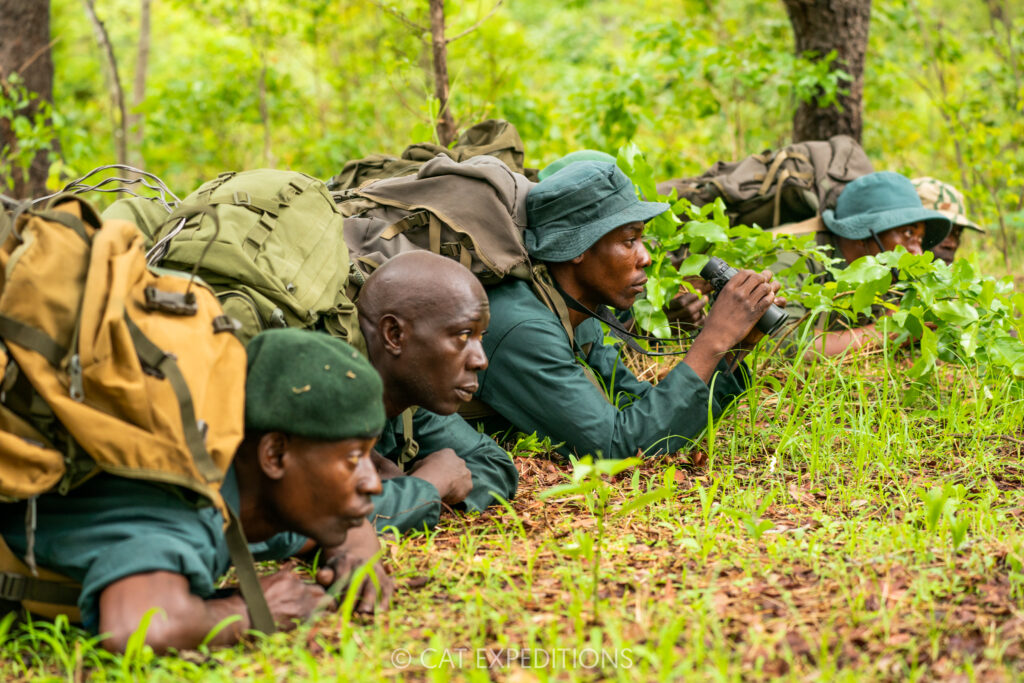
Musekese Conservation is a Zambian-run organization working across the Greater Kafue Ecosystem to protect wildlife and habitat through field-based research, anti-poaching patrols, and community collaboration. Their teams combine ecological monitoring with on-the-ground resource protection and local engagement to keep predators, large herbivores, and the landscapes they depend on safer and more resilient.
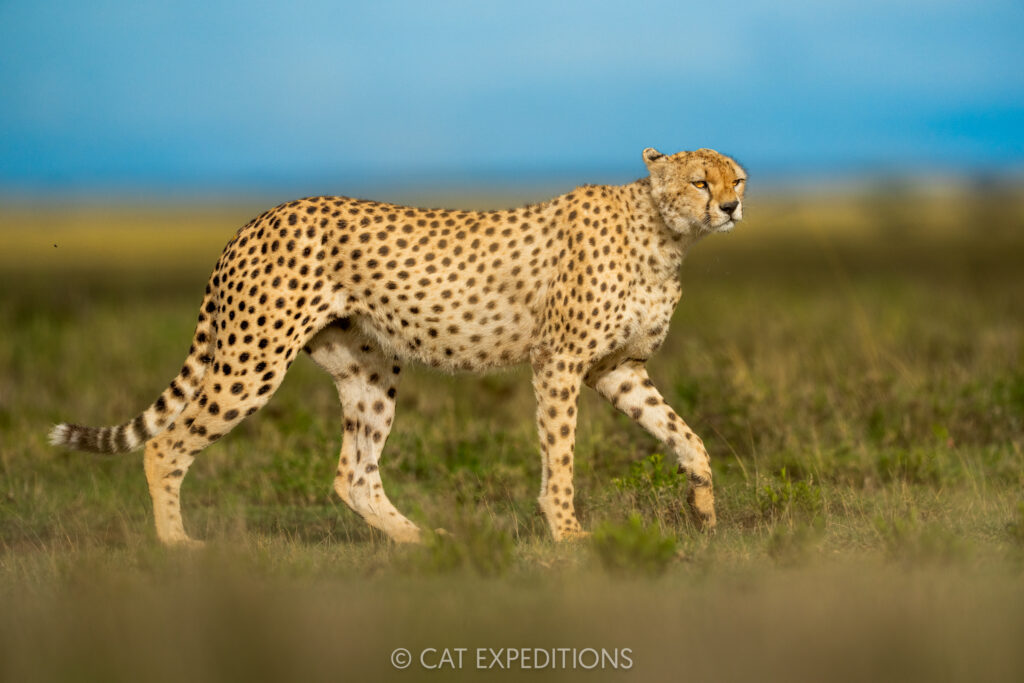
Serengeti Cheetah Project is the world’s longest-running scientific study of wild cheetahs, tracking individuals and their movements across the Serengeti plains to build the most detailed long-term dataset on the species. Their field research informs what we know about cheetah population trends and behavior, helping guide conservation strategies for cheetahs and the open savannah habitats they depend on.

WildCare is a wildlife hospital and education center in the San Francisco Bay Area that rescues, treats, and releases thousands of injured and orphaned wild animals each year, while teaching communities how to live well with the wildlife around them. Their work supports the health of local ecosystems and the animals—big and small—that depend on them, including bobcats and other native mammals.
The Jaguar ID Project works in Brazil’s Northern Pantanal to study and conserve wild jaguars by tracking individuals over the long term and building one of the most detailed population databases in the region. Their work combines scientific monitoring with community outreach and education, including local school programs that help foster understanding and protection of jaguars and the wetland habitats they depend on.

Onçafari works in Brazil’s Southern Pantanal to protect jaguars and their wetland habitat through field research, wildlife monitoring, and ecotourism that supports local stewardship. Their work brings together science, education, and collaboration with landowners to strengthen long-term coexistence between people and wildlife.
These are all organizations we’ve spent time with, asked hard questions of, and believe are doing meaningful, effective work.
Looking Forward
In 2026, we will expand our conservation giving.
In addition to our per-tour donations, we’ve committed to making a per-guest contribution calculated from the carbon footprint of international travel, with those funds directed toward habitat protection. We will donate to Rainforest Trust and a project that protects critical wild cat habitat in Honduras. You can read more about that project here.
If there are groups you admire or support that are protecting wild cats and their habitats, we’d love to hear about them. You can share them in the comments or reach out to us directly.