Chinese Mountain Cat

CHINESE MOUNTAIN CAT (Felis bieti)
The Chinese Mountain Cat is one of the world’s least-known wild cats, living only on the high-elevation grasslands of the Tibetan Plateau. Endemic to China and rarely seen, this elusive feline survives in an environment defined by cold temperatures, strong winds, and vast open landscapes. For decades it remained almost unknown to science, and even today it is one of the least photographed wild cats.
Sometimes called the Chinese desert cat, the species actually inhabits alpine steppe and meadow ecosystems rather than true desert. Its remote range and secretive behavior have made it one of Asia’s most mysterious felids.
Difficulty: Very Difficult
Chinese Mountain Cat Description
The Chinese Mountain Cat is a sturdy, medium-sized wildcat with dense, pale sandy-gray fur that provides insulation against the harsh climate of the Tibetan Plateau. Subtle striping is usually visible on the legs and face, while the tail is thick, ringed, and tipped in black.
Its ears are relatively short and rounded with small dark tufts, and the face appears broad with a strong jaw. Unique amongst wild cats are their eyes, which are steely blue. The fur between the toes is thick, likely helping protect the paws from cold ground and snow.
Adults typically weigh between 6–9 kg (13–20 lb). Compared to other wildcats, the Chinese Steppe Cat appears more robust and heavily built, an adaptation to life in cold, high-elevation environments.
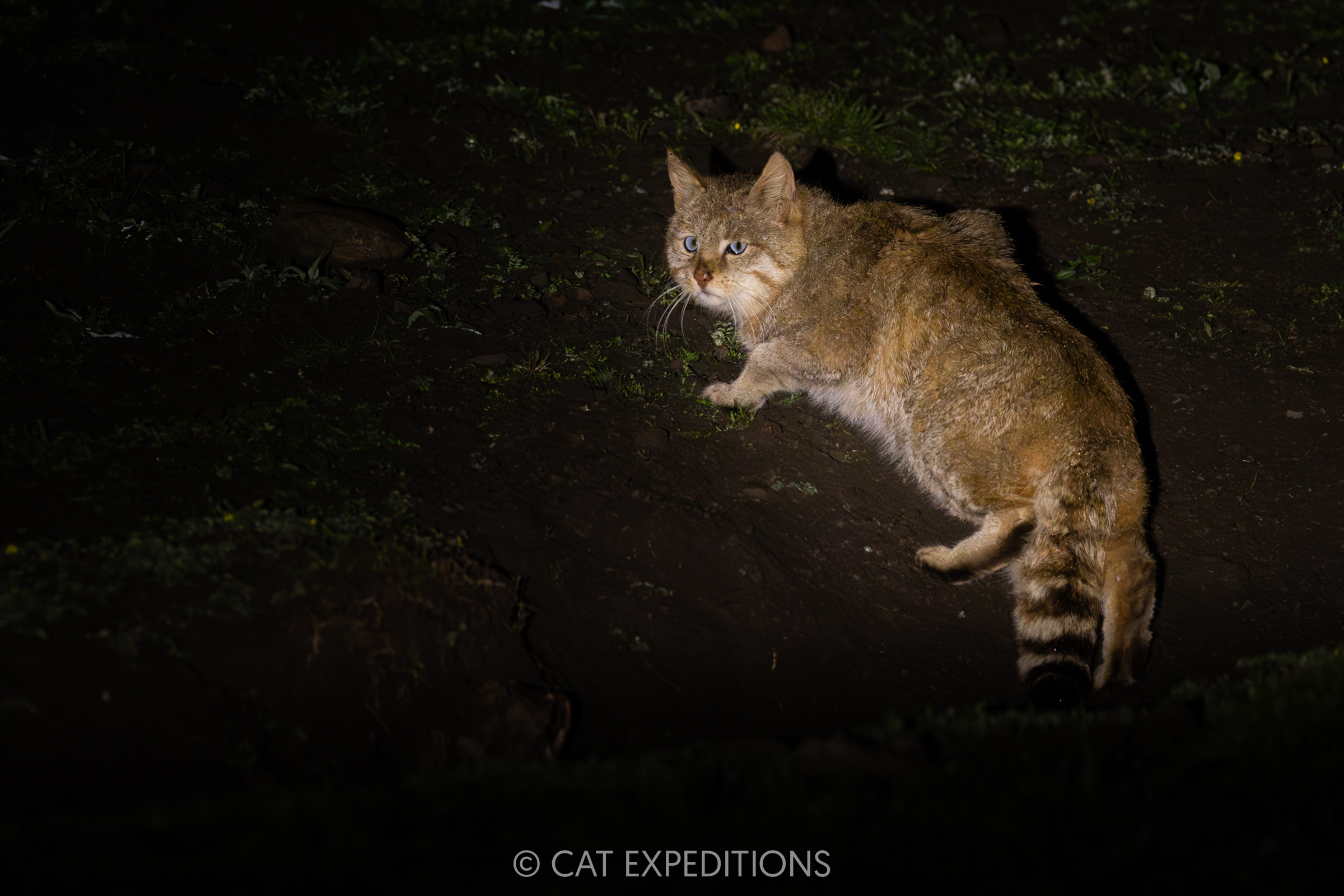
Chinese Mountain Cats look like a robust domestic cat. Their thick tail, with heavy, thick striping show its difference, as well as its steely blue eyes. The very faint, mottled marks across its body are typical for the cats we see on our photo tour.
Chinese Mountain Cat Distribution and Habitat
The Chinese Mountain Cat is found only along the northeastern edge of the Tibetan Plateau, primarily in Qinghai and parts of Sichuan and Gansu provinces. This makes it China’s only endemic cat species.
They inhabit alpine meadows, steppe grasslands, high-elevation shrubland, and edges of montane forest. Most records come from elevations between roughly 2,500 and 4,500 meters (8,200–14,800 ft).
These landscapes are open and expansive, with few trees and long, cold winters. The ecosystem is dominated by burrowing mammals such as pikas and marmots, which play an important role in the cat’s ecology.
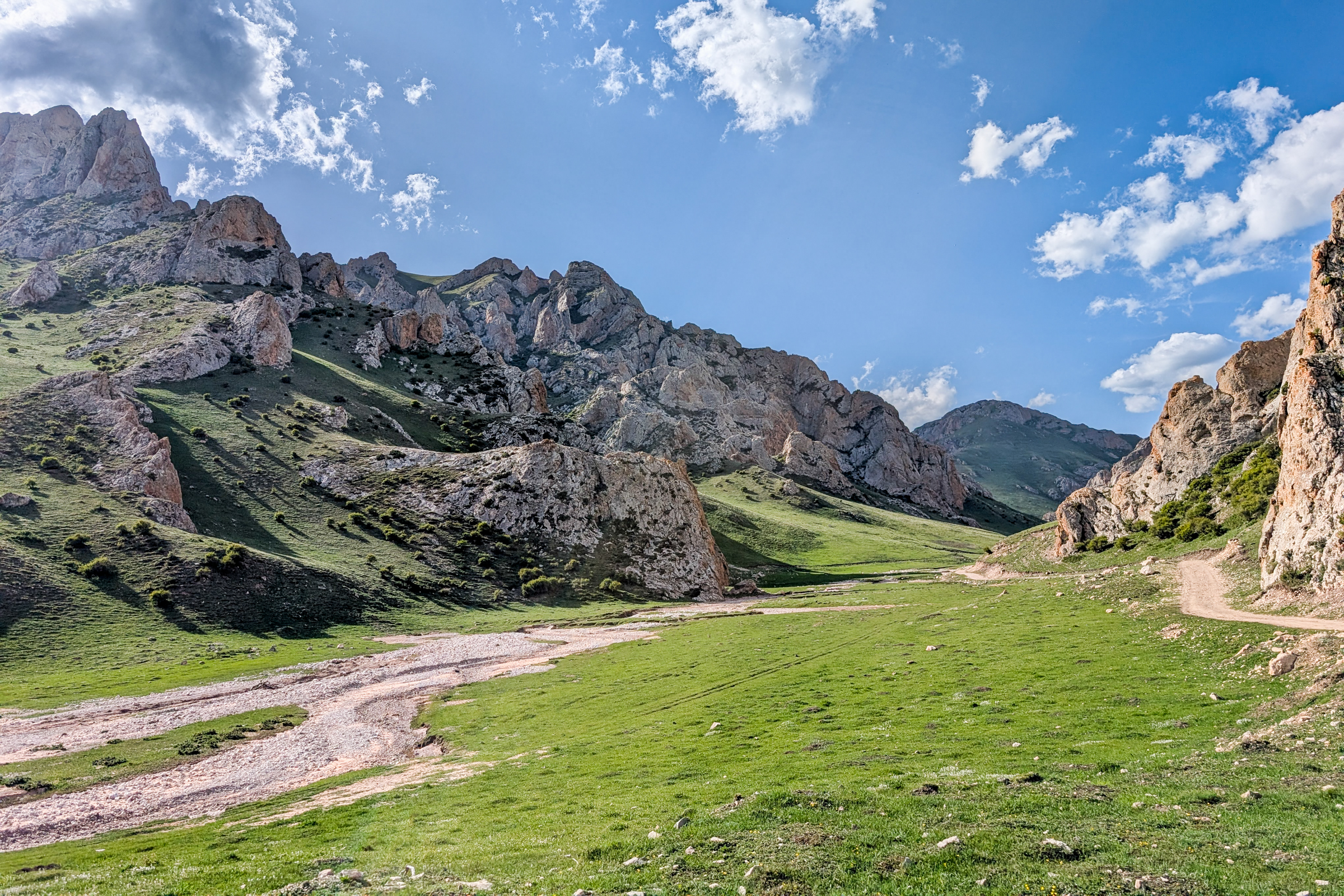
Alpine meadows like these, typically above 2,500 meters (8,200 feet) are perfect habitat for Chinese Mountain Cat, and areas we primarily target during our photo tour.
Chinese Mountain Cat Feeding Biology
The Chinese Mountain Cat is a crepuscular and nocturnal cat, feeding primarily on small mammals, especially plateau pikas and rodents. These prey species are abundant in alpine grassland ecosystems and form the foundation of the cat’s diet.
Like many small wild cats, the Chinese Steppe Cat likely relies on stealth and short ambush hunts rather than long pursuits. The open nature of the plateau means the cat must use terrain features such as burrows, rocks, and low vegetation for concealment.
Birds and other small vertebrates are also occasionally taken, but mammals make up the majority of the diet.
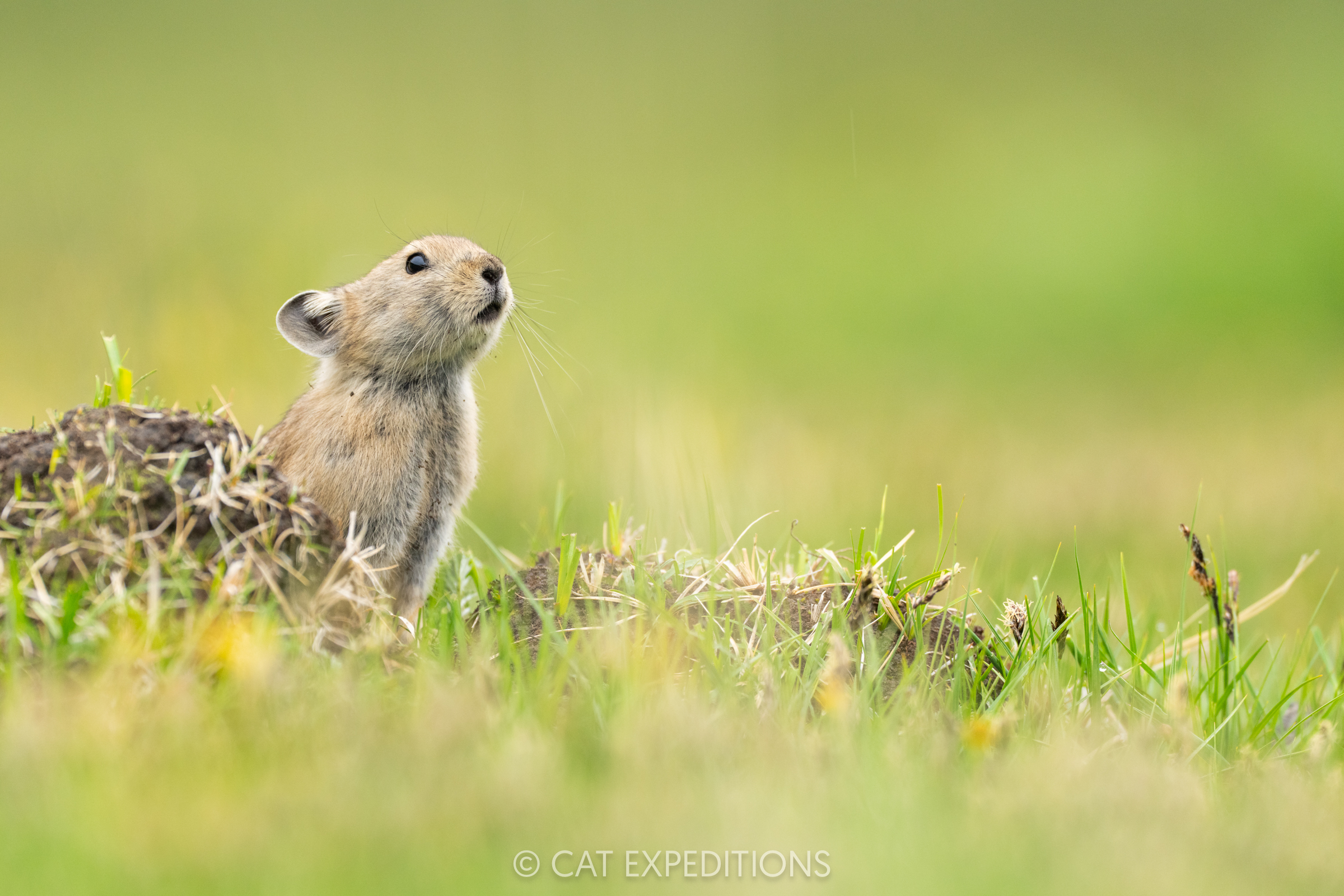
Pikas most likely make up the majority of the Chinese Mountain Cat's diet, though this is still not fully understood.
Chinese Mountain Cat Social Organization
Very little is known about the social ecology of the Chinese Mountain Cat, but it is believed to be solitary and territorial, similar to other members of the Felis lineage.
Individuals likely maintain large territories due to the relatively low productivity of high-altitude grasslands. They use burrows — often abandoned by marmots or other mammals — as shelter and resting sites during the day or in harsh weather.
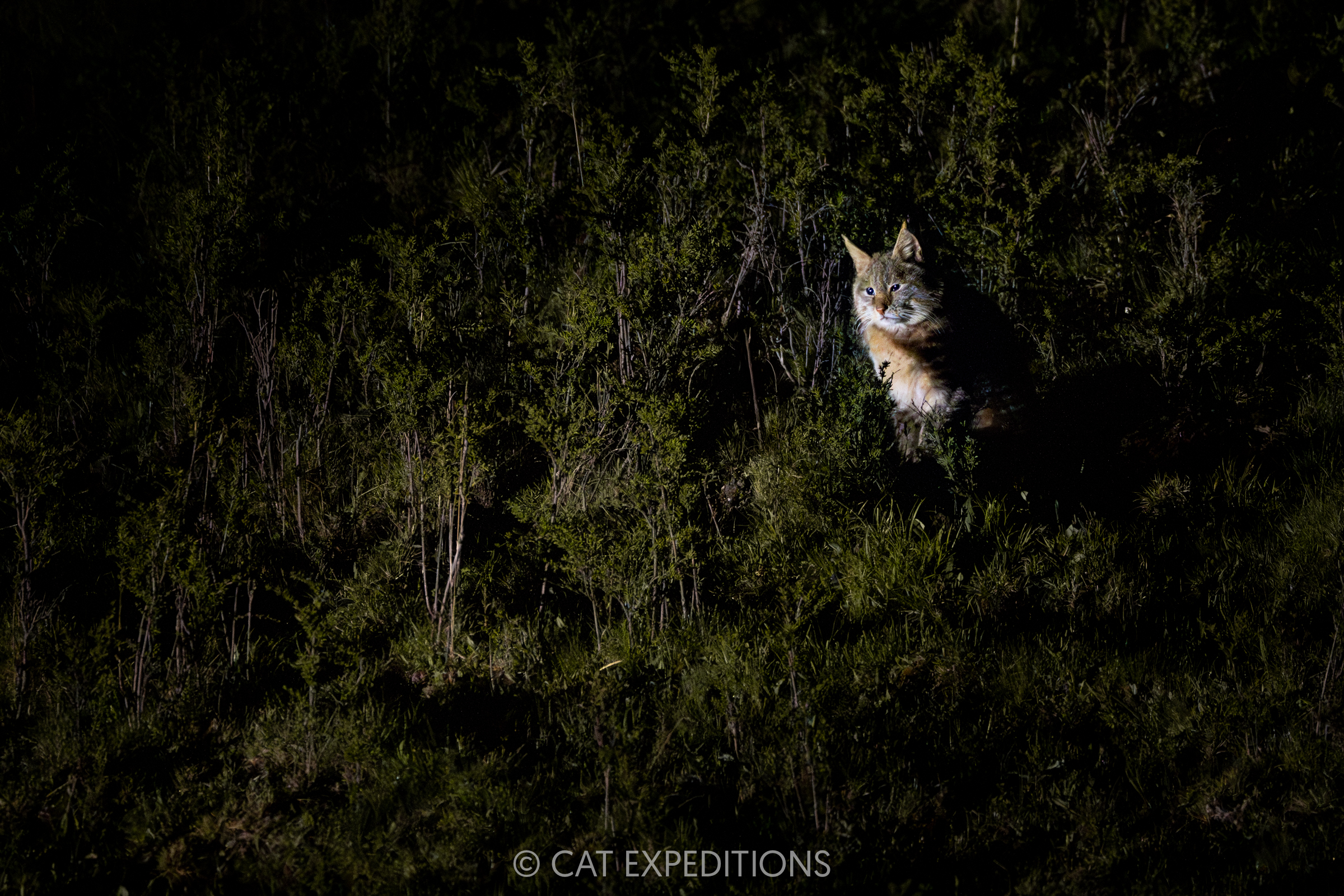
Like the vast majority of wild cats, it is assumed that Chinese Mountain Cats are solitary, maintaining and defending particular territories.
Chinese Mountain Cat Reproduction
Breeding is thought to occur in late winter, with females giving birth in spring. Litters typically consist of two to four kittens, which are raised in underground dens that provide protection from predators and extreme weather.
As with many rare small cats, most details of reproduction — including kitten survival rates, dispersal age, and parental behavior — remain poorly documented. Much of what is known comes from limited field observations and comparisons with related wildcat species.